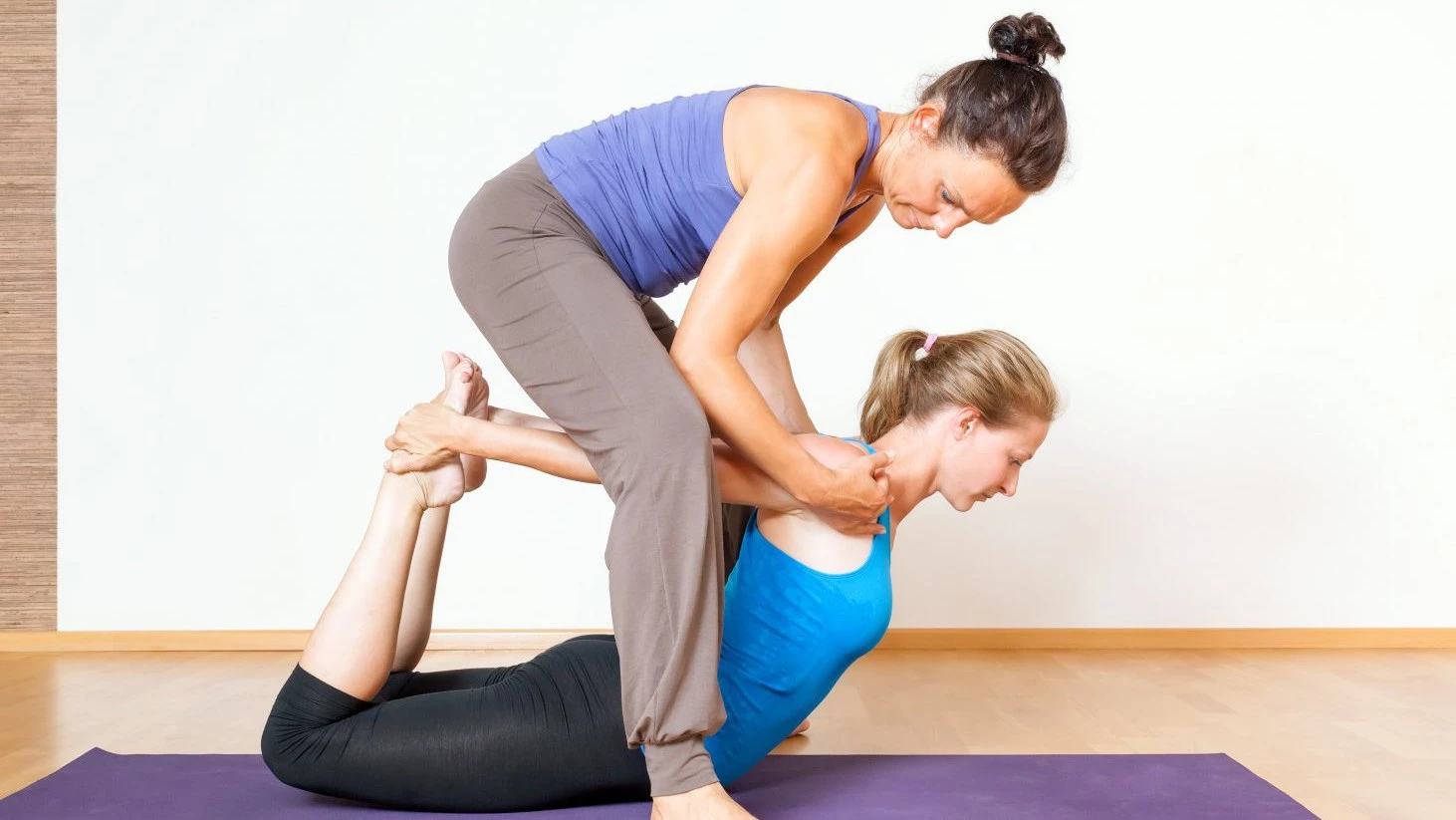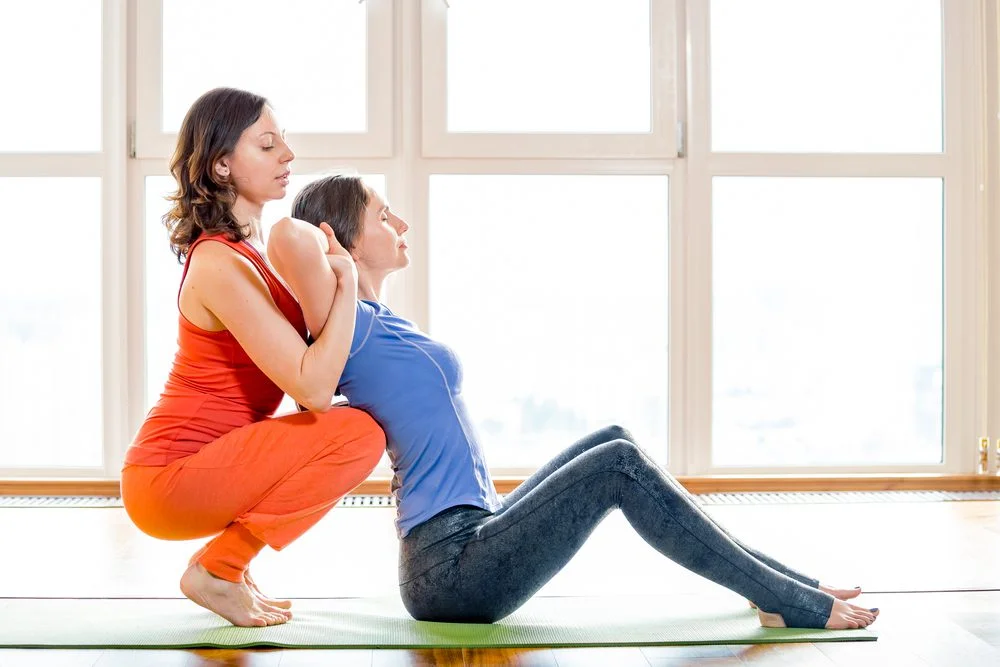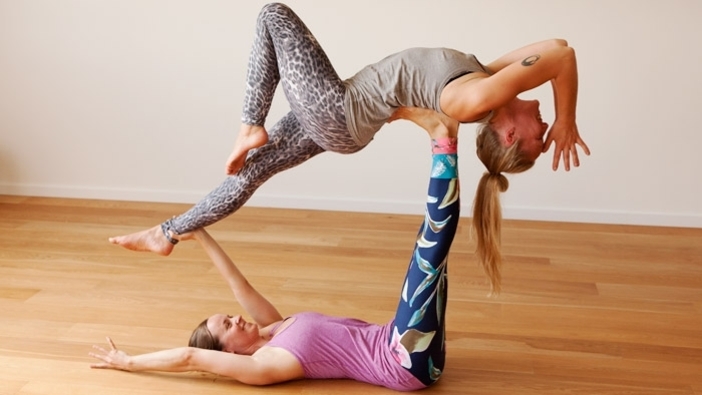
I still remember the first time I tried acroyoga. I was in a grassy park, heart racing, as my partner lifted me into the air on her feet. For a split second, everything clicked—breath, balance, trust—and I felt lighter than I ever had on my own yoga mat. That moment hooked me. Acroyoga is not just another fitness trend; it is a playful fusion of yoga, acrobatics, and therapeutic touch that rewires how you move, connect, and show up in life. Over the years I have practiced it across cities and continents, and it has taught me lessons about vulnerability, communication, and community that no solo practice ever could. If you have ever wondered what acroyoga really is and what it will teach you, stick with me. We are going deep.
Understanding What Acroyoga Really Is
Acroyoga blends the mindfulness and breathwork of yoga with the dynamic partnering of acrobatics, often spiced with elements of Thai massage and play. At its heart, it is a partner practice where two or three people create shapes that look impossible yet feel completely supported once you learn the technique.
You do not need to be a gymnast or a yoga master; you just need willingness to try, laugh at the falls, and listen to your body and your partner.
The Rich History and Origins of Acroyoga
Acroyoga did not appear out of nowhere in the 2000s; its roots stretch back centuries to ancient Indian practices like mallakhamba, where wrestlers balanced on poles while incorporating yoga-like stretches. Modern L-basing—the signature legs-up style—traces directly to 1938 when yoga pioneer T. Krishnamacharya demonstrated it with a child in a now-famous video. Fast-forward to the 1980s and you find AcroSage inversion therapy and Contact Yoga laying the groundwork for therapeutic partnering.
Modern Pioneers Who Shaped the Practice
In 1999, Eugene Poku and Jessie Goldberg in Montreal jokingly coined the term while blending dance, yoga, and acrobatics; by 2003 their school, AcroYoga Montreal, was thriving. At the same time in California, Jason Nemer (a world-champion acrobat) and Jenny Sauer-Klein (circus and contact yoga expert) founded AcroYoga Inc., codifying teacher trainings, manuals, and the now-global “Solar” acrobatic and “Lunar” therapeutic sides of the practice. Today thousands of certified teachers spread the love worldwide.
The Three Essential Roles in Acroyoga
Every acroyoga moment revolves around three clear roles that keep things safe, fun, and educational. The base stays grounded and strong, the flyer explores elevation with grace, and the spotter watches like a guardian angel. Rotating through all three roles is what makes the practice so transformative—you literally feel every perspective.
The Base – Your Solid Foundation
As the base you lie on your back (or stand in more advanced work) with legs and arms forming an L-shape or stacked bones to support your partner’s full weight. It builds incredible core, leg, and shoulder strength while teaching you to stay calm under pressure. I used to dread basing because I thought I was not strong enough, but once I learned proper alignment I could hold flyers twice my size for minutes at a time.
The Flyer – Soaring with Trust
The flyer leaves the ground and balances on the base’s feet or hands, often inverting or extending into beautiful shapes. This role demands core engagement, spatial awareness, and the courage to surrender control. The first time I flew in Bird pose my stomach flipped, but after a few breaths I realized I was not falling—I was being held. That shift from fear to freedom is pure magic.
The Spotter – The Unsung Hero of Safety
Spotters stand ready to catch, adjust, or simply offer verbal cues so the base and flyer can focus on each other. It is the least glamorous role yet the most responsible one, honing observation skills and selfless service. In every class I have ever taken, the best spotters were the ones who made everyone feel safer without ever stealing the spotlight.
How a Typical Acroyoga Session Unfolds
Most classes begin with a circle where everyone shares intentions and warms up with solo yoga flows, partner stretches, and trust-building drills. Then comes the heart of the practice: flying sequences, therapeutic flying with massage, and sometimes a “washing machine” flow of repeated poses. Sessions usually end with cool-downs and group Thai massage or savasana. Expect 60–90 minutes of laughter, sweat, and connection.
Foundational Poses and Sequences to Get You Started
You do not need fancy equipment—just yoga mats, comfortable clothes, and a willing partner. Start with simple warm-ups like partner forward folds, then move into classics that teach alignment before you attempt anything inverted.
Bird Pose – The Gateway to Flying
In Bird pose the base lies supine with feet on the flyer’s hips; the flyer leans back, extends arms, and lifts one leg at a time into a horizontal plank-like shape. It builds trust fast and looks spectacular once you nail the counterbalance. My first successful Bird still makes me smile because I felt weightless for the first time in my life.
Throne Pose and Folded Leaf – Therapeutic Magic
Throne lets the flyer sit comfortably on the base’s feet while the base offers support and sometimes gentle massage. Folded Leaf inverts the flyer over the base’s vertical legs so the base’s hands are free to work the back—pure bliss after a long day. These poses blend acrobatics with healing touch and are accessible even for total beginners.
Plank Press – Building Strength Together
This warm-up has the base on their back pressing the flyer up and down like a bench press with feet on hips. It syncs breath, fires up cores, and teaches micro-adjustments. We do ten slow reps and everyone is already giggling and sweating.
Physical Benefits That Go Far Beyond Yoga
Acroyoga delivers a full-body workout that improves strength, flexibility, balance, and cardiovascular endurance without ever feeling like a grind. Bases develop powerful legs and cores; flyers gain incredible spinal mobility and shoulder stability; everyone walks away taller and more coordinated. Because you are constantly counterbalancing another human’s weight, your proprioception skyrockets.
Mental and Emotional Benefits: What Acroyoga Teaches You
The real gold lives off the mat. Acroyoga forces you to communicate clearly—“down,” “more pressure,” “I’m slipping”—and listen without ego. It teaches trust in its rawest form: handing your body to someone else and believing they will not drop you.
Trust and Vulnerability in Action
When you fly you learn to let go of control; when you base you learn to hold space without forcing. That vulnerability spills into everyday life—relationships become more honest, work stress feels lighter because you have practiced staying present under pressure.
Communication Skills That Last a Lifetime
You cannot fake your way through a bad handhold or ignored cue. The practice trains assertive yet kind feedback loops that improve every conversation you have. I have watched shy students turn into confident communicators after just a few months.
Community and Playfulness as Medicine
Acroyoga jams in parks or studios create instant tribes. You high-five strangers, celebrate tiny wins, and leave feeling seen. In a world that can feel isolating, that sense of belonging is addictive in the best way.
Pros and Cons of Practicing Acroyoga
| Aspect | Pros | Cons |
|---|---|---|
| Physical Challenge | Full-body strength, flexibility, balance | Higher injury risk if form is ignored |
| Mental Growth | Builds trust, communication, mindfulness | Initial fear and frustration for beginners |
| Social Element | Deep community and connection | Requires finding reliable partners |
| Accessibility | Adaptable for many body types | Not ideal for solo practitioners |
| Fun Factor | Playful and addictive | Can feel intimidating at first |
The pros far outweigh the cons once you invest in proper instruction.
Acroyoga vs. Traditional Yoga vs. Partner Acrobatics
Traditional yoga is solo and inward-focused, perfect for personal breathwork and meditation. Partner acrobatics is performance-oriented with standing work and audience appeal. Acroyoga sits right in the middle—yogic awareness meets acrobatic play, always emphasizing safety, consent, and therapeutic touch over spectacle.
People Also Ask About Acroyoga
Is acroyoga safe for beginners?
Yes, when taught by a certified instructor who emphasizes spotting and progressive skill-building. Start slow, communicate constantly, and never push through pain.
Do I need to be strong or flexible already?
Not at all. The practice meets you where you are and builds both qualities naturally. Many of my favorite flyers started with zero handstand experience.
What should I wear to acroyoga class?
Form-fitting clothes that stay put during inversions—no baggy shirts or slippery pants. Leggings, athletic shorts, and a supportive top work best.
How long until I can fly confidently?
Most people feel comfortable in basic poses after 4–6 classes if they practice regularly and rotate roles.
Is acroyoga good for couples?
Absolutely. It deepens intimacy through touch, trust, and shared laughter—many partners say it brings play back into their relationship.
Getting Started with Acroyoga: Practical Tips
Find a beginner-friendly class through local studios, AcroYoga Inc. teacher directories, or even park jams listed on social media. Online tutorials from trusted channels can supplement, but nothing replaces hands-on spotting. Arrive early, introduce yourself, and be ready to switch partners—variety accelerates learning.
What to Wear, Bring, and Expect
Wear grippy socks if the floor is slippery, bring a water bottle, and leave your ego at the door. Expect sore muscles in new places the next day and a huge grin you cannot wipe off your face.
Finding Quality Classes and Teachers
Look for teachers certified by AcroYoga Inc. or AcroYoga Montreal schools. Check reviews, watch their demo videos, and ask about safety protocols. In many cities you can now find weekly jams on Meetup or Facebook groups.
Safety First: How to Avoid Common Injuries
Warm up thoroughly, stack bones instead of muscles, use spotters religiously, and communicate the word “down” loudly and clearly. Listen to your body—if something feels off, exit gracefully. Most injuries happen from ego or fatigue, not the practice itself.
FAQ: Your Most Common Acroyoga Questions Answered
How is acroyoga different from partner yoga?
Partner yoga stays mostly on the ground with assisted stretches; acroyoga adds elevation, inversions, and acrobatic flows while keeping the yogic breath and mindfulness.
Can kids or seniors practice acroyoga?
Yes—with modifications and experienced spotters. Many families practice together, and older adults love the gentle therapeutic flying.
What equipment do I need?
Zero. Just yoga mats for comfort and maybe a blanket for cool-downs. Some advanced jams use crash pads, but beginners need nothing extra.
Does acroyoga help with anxiety?
Hugely. The combination of breathwork, physical release of endorphins, and social connection is a natural anxiety-buster for many practitioners.
Can I practice acroyoga alone?
You can train solo strength and flexibility drills at home, but the magic—and the deepest lessons—happen with partners.
Acroyoga is so much more than pretty Instagram poses. It is a moving meditation that teaches you to trust yourself and others, communicate with honesty, play without judgment, and build community one lift at a time. Whether you are craving a new physical challenge, deeper relationships, or simply more joy in your movement practice, acroyoga delivers. Grab a friend, find a class, and give yourself permission to fall, laugh, and fly. Your body, mind, and heart will thank you for it.