I still remember the first time I tried Acro Yoga. It was a sunny afternoon in a local park, and a friend talked me into being the “flyer.” One moment I was standing on solid ground; the next, I was balanced on someone’s feet, heart pounding, laughing nervously as the world turned upside down in the best way possible. That single session hooked me. Acro Yoga isn’t just another fitness trend—it’s a playful fusion of yoga, acrobatics, and deep human connection that delivers strength, trust, and pure joy. If you’ve ever wondered what Acro Yoga really is, which asanas to start with, and why it transforms bodies and minds, you’re in the right place. Let’s dive in.
The Origins and History of Acro Yoga
Acro Yoga traces its roots back further than most people realize. In 1938, the legendary yoga teacher T. Krishnamacharya was already experimenting with what we now call L-basing—lying on his back and supporting a child in backbends with his legs. Echoes appear even earlier in India’s mallakhamba tradition, where wrestlers balanced and flowed on poles with yoga-like moves. Fast-forward to the 1980s: Benjamin Marantz created AcroSage for therapeutic inversions, while Ken Nateshvar Scott pioneered Contact Yoga to move beyond solo practice. Then came the modern boom. In 1999–2003, Eugene Poku and Jessie Goldberg founded AcroYoga Montreal, blending dance and restorative elements. At the same time, Jason Nemer and Jenny Sauer-Klein launched AcroYoga International in California, codifying the practice with teacher trainings and manuals that spread it worldwide. Today, thousands of certified teachers keep evolving it, but the heart remains the same: play, trust, and connection.
What Exactly Is Acro Yoga?
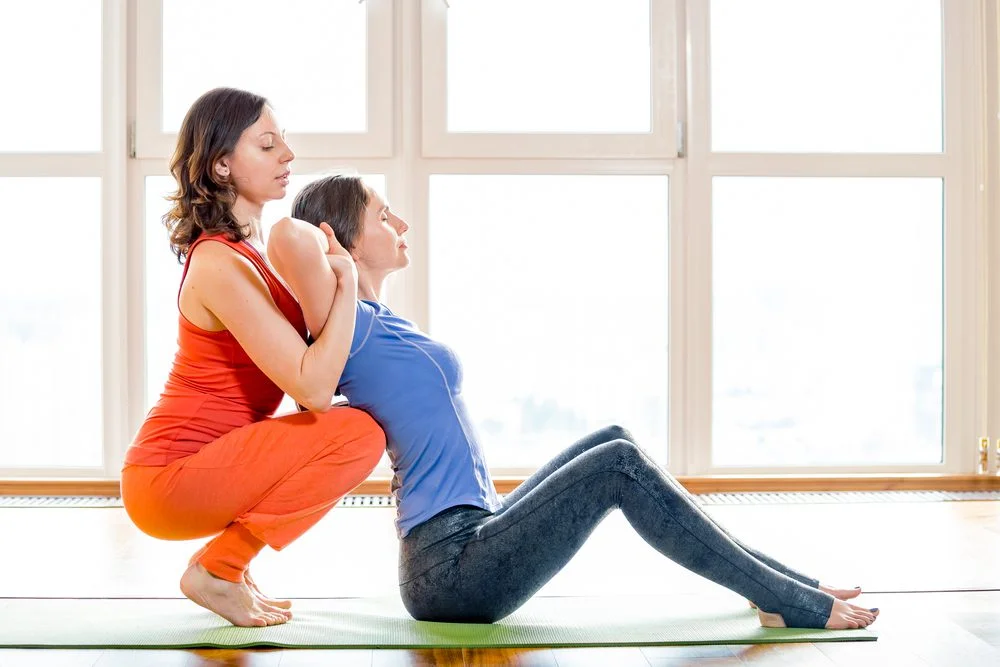
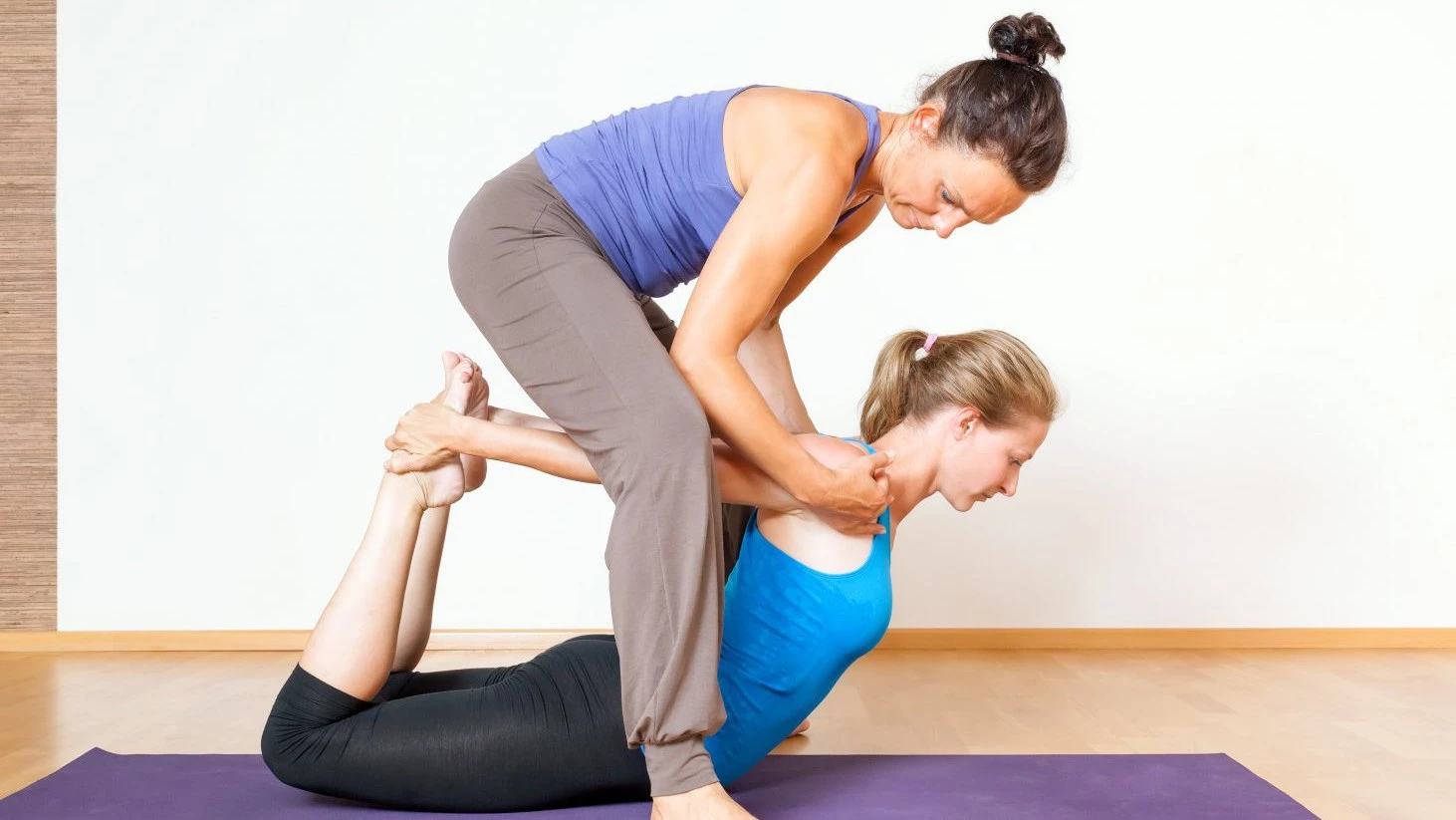
At its core, Acro Yoga combines traditional yoga poses with partner acrobatics and healing arts like Thai massage. You practice in threes: a base on the ground, a flyer in the air, and a spotter keeping everyone safe. It splits into two main flavors—Solar (dynamic, strength-focused flows) and Lunar (gentle, therapeutic flying and massage). Unlike solo yoga on a mat, Acro demands real-time communication, body awareness, and a willingness to let go. It feels part circus, part yoga class, and part trust-fall exercise all rolled into one exhilarating package.
The Three Essential Roles in Every Acro Yoga Practice
The Base: Your Solid Foundation
The base lies on their back (in L-basing) or stands, using legs, arms, and core to lift and support the flyer. It’s surprisingly demanding—think constant micro-adjustments to stay stable while building serious leg and core power. I’ve been a base plenty of times, and nothing beats the satisfaction of locking in a strong stack and watching your partner soar.
The Flyer: Embracing Flight and Trust
As the flyer, you balance on the base’s feet or hands, holding yoga-inspired shapes while staying relaxed and engaged. It takes core strength and faith, but once you nail that first lift, the freedom is addictive. New flyers often tense up; the secret is breathing and trusting the base’s solid foundation.
The Spotter: The Unsung Hero
Never skip the spotter. This person stands close, hands ready near the flyer’s hips, ready to guide or catch if balance slips. Spotting builds your own awareness and keeps the practice safe. In my early classes, spotters saved me from more than a few wobbly moments—and taught me humility fast.
Solar vs. Lunar Acro Yoga: Two Sides of the Same Practice
Solar Acro is all about energy, strength, and dynamic flows—think lifts, balances, and transitions that light up your muscles and coordination. Lunar Acro slows things down with therapeutic flying, deep stretches, and massage elements that melt tension away. Most sessions mix both, so you leave feeling stronger yet deeply restored. It’s this balance that makes Acro Yoga feel complete rather than just another workout.
Beginner Acro Yoga Asanas to Master First
Start simple. These foundational poses build confidence, teach bone-stacking alignment, and create that magical “I can’t believe I’m doing this” feeling. Always warm up, communicate clearly (“more point in the toes!”), and use a spotter.
Bird Pose (Front Bird)
Lie on your back as base, feet on the flyer’s hips, hands reaching up. The flyer leans in, clasps hands, and you lift them into a plank-like shape overhead. It’s the gateway pose for almost every class—strengthens the base’s legs and core while teaching the flyer perfect alignment and trust. I still grin every time I nail a clean Bird; the flyer’s smile from up there is priceless.
Throne Pose
Base bends knees deeply; flyer steps in, places thighs on base’s feet, and sits back into a supported “throne” after a gentle lift. Hands release once stable. Flyers love it because it feels secure and freeing—great for building leg strength in the base and core control in the flyer. It’s trickier than Bird but still beginner-friendly with good spotting.
Plank on Plank
Base holds a solid plank on hands; flyer places hands on base’s ankles and stacks feet on shoulders, creating a double plank. It’s a killer core builder for both and a perfect warm-up for more aerial work. Alignment is everything—shoulders over wrists, body straight as a board.
Backbird Pose
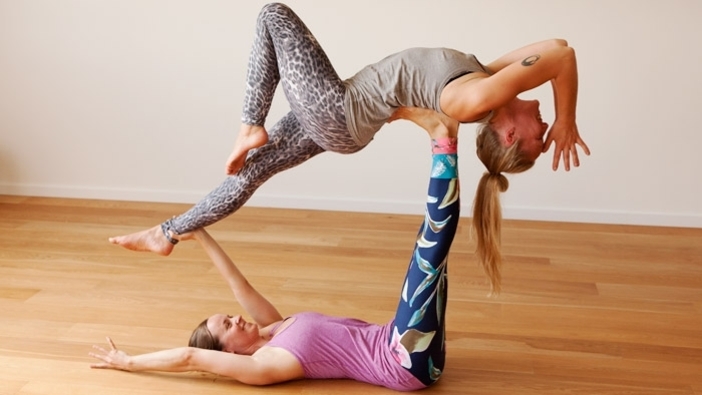
Flyer turns back to the base, grabs ankles, and leans into a supported backbend while base lifts with feet on the sacrum. It’s a beautiful chest and shoulder opener that demands extra trust since the flyer can’t see the ground. The stretch feels heavenly after desk days, and the gentle arch builds spinal mobility.
Front Plank to Front Bird Flow
Start in Plank Press (base’s feet on flyer’s hips), then flyer reaches for hands and lifts into Front Plank before releasing arms into Bird shape. This flowing sequence teaches seamless transitions and is a staple in beginner workshops.
Taking It Further: Intermediate Acro Yoga Asanas
Once basics feel solid, try these. They demand more strength, flexibility, and precise communication.
Star Pose (Side Star)
Base supports flyer sideways on one foot and hand, creating a star shape. It builds oblique strength and balance while looking incredibly graceful.
Super Yogi
Flyer folds forward over base’s feet in a deep hamstring stretch—intense but incredibly releasing when done right.
Bow Pose in the Air
From Front Bird, flyer bends knees and grabs feet for a backbend in the sky. The base points toes strongly to support the lift. It’s advanced but feels epic once you trust the connection.
Physical Benefits of Acro Yoga That Go Beyond the Mat
Acro Yoga delivers full-body conditioning like few other practices. Bases build serious leg, core, and shoulder strength from constant lifting. Flyers develop deep core stability, balance, and proprioception. Everyone gains flexibility through partner-assisted stretches that go deeper than solo work. Coordination improves dramatically because you’re reading micro-cues in real time. Cardiovascular health gets a boost from the dynamic flows, and bone density benefits from the loading patterns. I noticed my climbing endurance skyrocket after six months—opposing muscle groups finally balanced out, and my posture improved without even trying.
- Strength gains: Especially posterior chain and core
- Better balance and coordination
- Increased flexibility and mobility
- Improved body awareness and alignment
Mental and Emotional Benefits: Trust, Community, and Pure Joy
The real magic happens off the mat. Acro Yoga forces you to communicate clearly, listen deeply, and trust another person with your body—skills that spill into every relationship. Fear of falling fades as you learn to laugh at wobbles. Community forms fast; park jams turn strangers into lifelong friends. Mindfulness becomes non-negotiable—you stay present or you tumble. Many practitioners report lower anxiety, better emotional regulation, and a profound sense of connection. One friend told me it finally helped her “let go” in life after years of control issues. Honestly, the giggles and high-fives after a tough pose are therapy money can’t buy.
Pros and Cons of Acro Yoga
Pros
- Builds incredible full-body strength and flexibility
- Deepens trust and communication skills
- Creates instant community and fun
- Combines workout with therapeutic touch
- Scalable for all fitness levels with proper spotting
Cons
- Requires a partner and spotter (not solo-friendly)
- Higher injury risk without proper training
- Can feel intimidating for beginners
- Weather-dependent for outdoor jams
- Takes time to build the necessary trust and strength
Acro Yoga vs. Other Yoga Styles: Quick Comparison
| Aspect | Acro Yoga | Traditional Hatha/Vinyasa | Partner Yoga (non-acro) |
|---|---|---|---|
| Focus | Strength, trust, flight | Solo breath & alignment | Gentle connection |
| Equipment Needed | None (mat optional) | Mat | Mat |
| Intensity | High (dynamic + static) | Moderate | Low to moderate |
| Social Element | Very high (3+ people) | Low | Medium |
| Best For | Adventurous types | Beginners seeking calm | Couples seeking intimacy |
| Injury Risk | Higher without training | Lower | Low |
Is Acro Yoga Safe? Essential Safety Tips
Yes—when done right. Always train with a certified teacher, warm up thoroughly, and never skip the spotter. Communicate constantly (“I’m good,” “more pressure,” “down please”). Stack bones, not muscles, for stability. Listen to your body; ego has no place here. Start slow, build gradually, and modify as needed. Most injuries come from rushing or poor spotting—avoid both and you’ll stay safe while having the time of your life.
People Also Ask About Acro Yoga
What is Acro Yoga good for?
It excels at building strength, balance, flexibility, trust, and community while delivering a fun, full-body workout and therapeutic release.
Is Acro Yoga suitable for beginners?
Absolutely—many studios offer beginner-specific classes that start with simple L-basing and progress at your pace.
How do you start practicing Acro Yoga?
Find a local class or workshop, grab a partner and spotter, focus on communication, and begin with foundational poses like Bird.
Does Acro Yoga help with anxiety or stress?
Yes— the mindfulness, physical release, and social connection often reduce stress and boost confidence.
Can you practice Acro Yoga alone?
Not really; it’s inherently a partner practice, though you can train solo strength and flexibility to prepare.
Getting Started: Classes, Gear, and Finding Your Community
No fancy gear needed—just comfy clothes, a yoga mat for warm-ups, and open space. Search for “Acro Yoga classes near me” or check acroyoga.org for certified teachers. Many cities host free park jams—show up, introduce yourself, and jump in. Online tutorials help, but nothing beats hands-on guidance. Start with a friend who’s game, or join a drop-in session. Within weeks you’ll notice changes in strength, posture, and how freely you move through life.
FAQ: Your Most Common Acro Yoga Questions Answered
How often should I practice Acro Yoga?
Two to three times a week is ideal—enough to build skills without burnout. Mix in solo yoga for balance.
Do I need to be strong or flexible already?
Not at all. Acro builds those qualities quickly. Beginners of all ages and fitness levels succeed with good instruction.
What if I’m scared of heights or falling?
Totally normal. Start low, use spotters, and celebrate small wins. Fear fades fast once trust grows.
Can kids or older adults do Acro Yoga?
Yes—with modifications and supervision. Family Acro classes are growing in popularity.
Will Acro Yoga replace my regular yoga practice?
It complements it beautifully. Many keep both for well-rounded benefits.
Acro Yoga has a way of sneaking into your heart. It’s not just poses in the air—it’s about showing up, trusting, falling (literally and figuratively), and rising together. Whether you’re chasing strength, deeper connections, or simply more fun in your movement practice, Acro delivers. Grab a friend, find a class, and give it a shot. Your body, mind, and community will thank you. The mat is waiting—what are you waiting for?