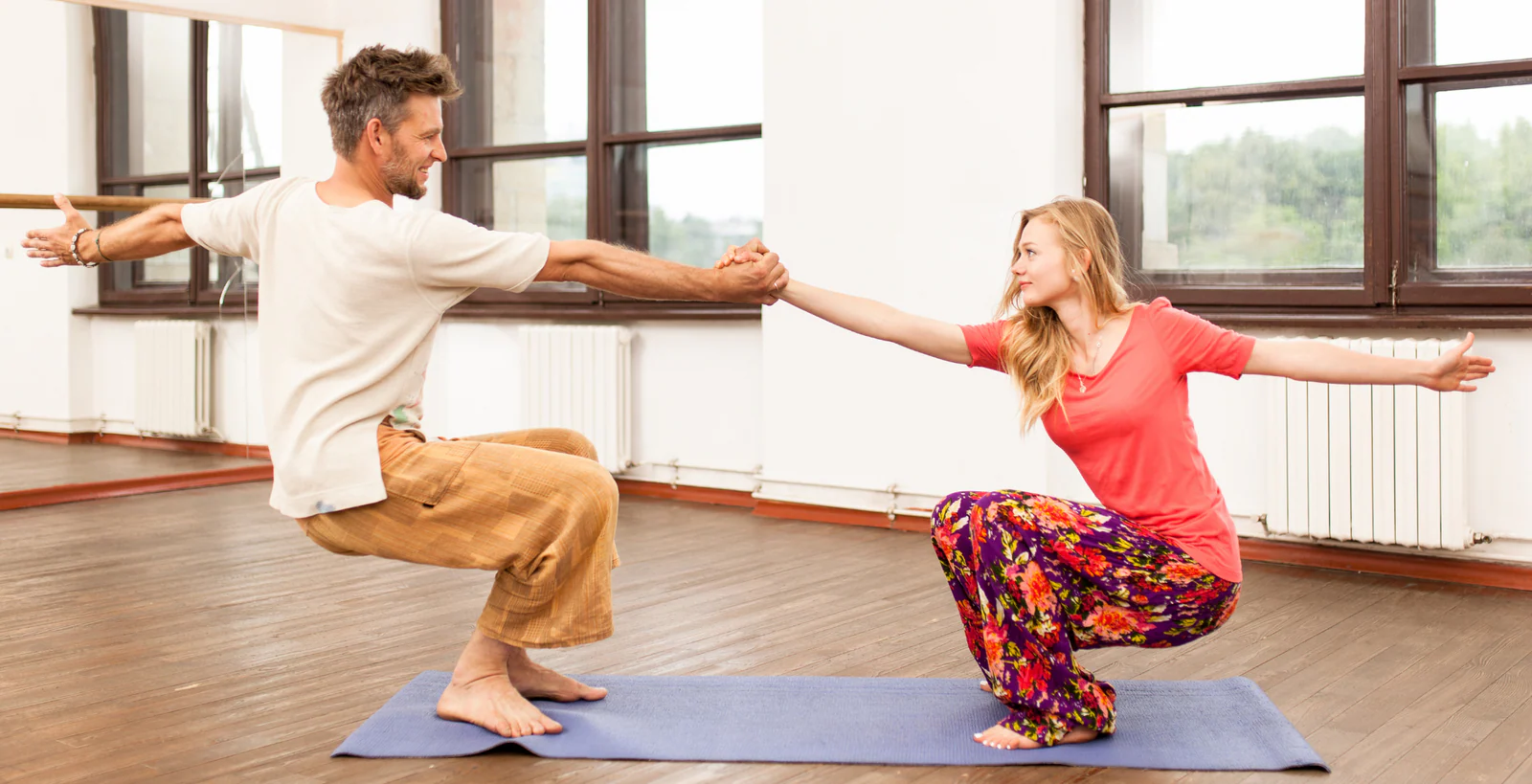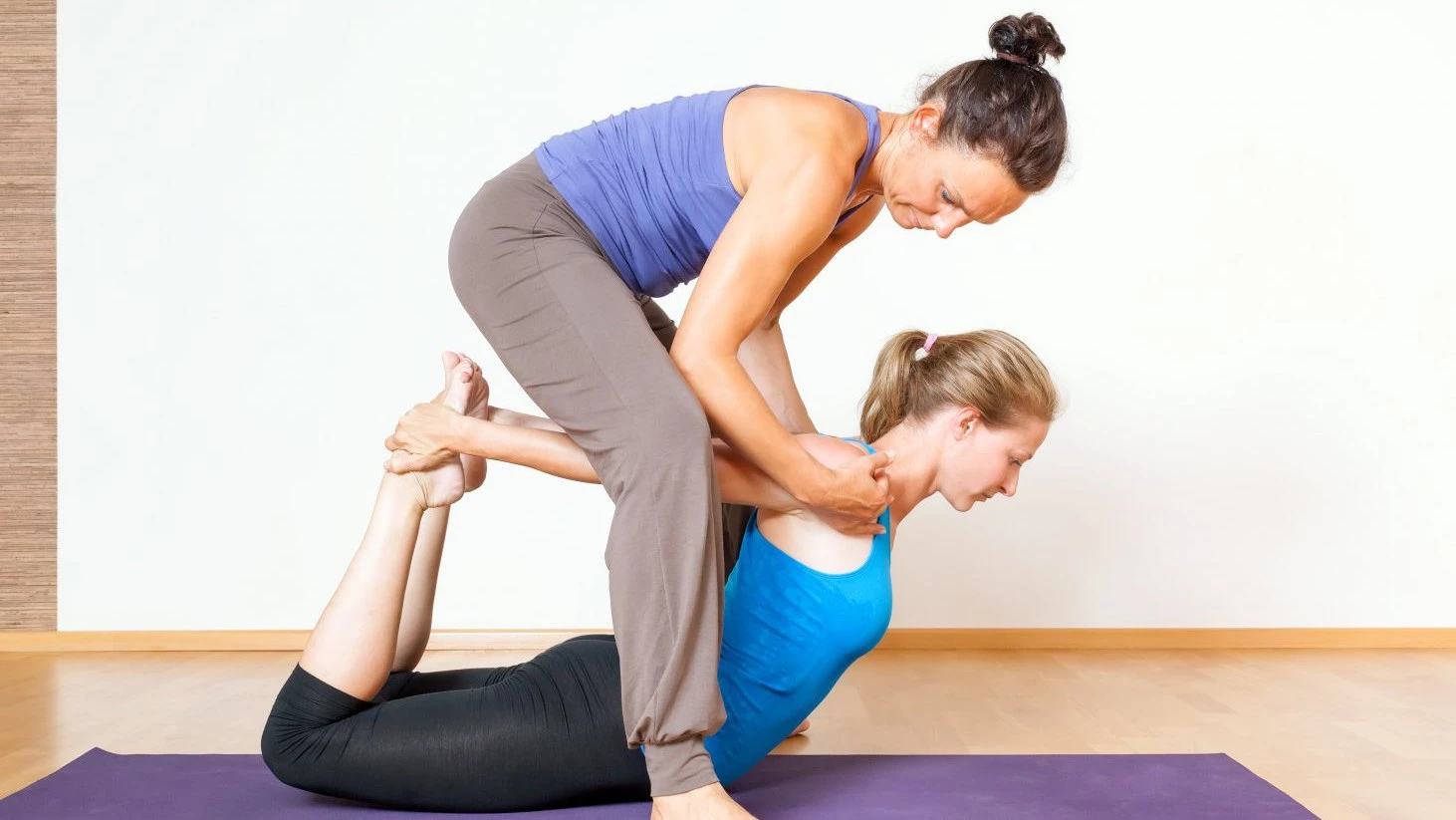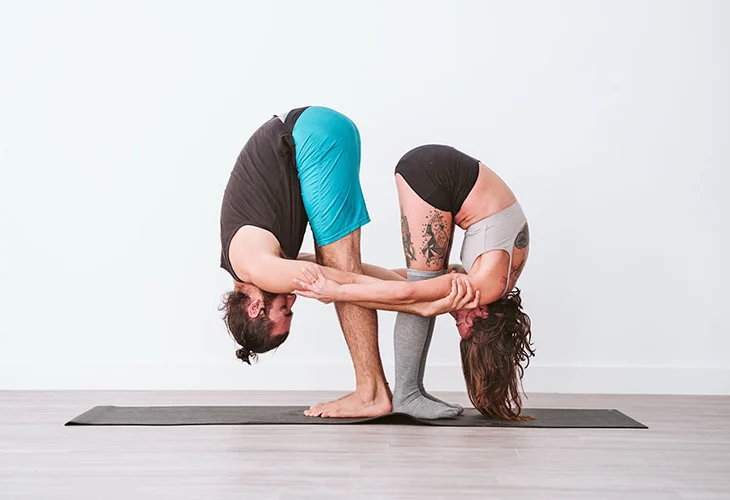
Couples yoga isn’t just another fitness trend—it’s a playful way to reconnect with your partner, build trust, and move together in ways that feel both challenging and deeply rewarding. Whether you’re complete beginners who’ve never touched a yoga mat or seasoned practitioners looking to spice things up, these poses meet you exactly where you are. I still remember the first time my husband and I tried partner yoga in our tiny living room in Lahore; we laughed through the wobbles, held each other a little tighter, and walked away feeling closer than we had in weeks. That’s the magic. No fancy studio required—just two people, a couple of mats, and a willingness to lean on each other (literally).
What Is Couples Yoga and Why Try It?
Couples yoga, sometimes called partner yoga, brings two people into shared poses where one supports, balances, or gently assists the other. It blends traditional yoga with elements of trust-building and communication that solo practice simply can’t replicate. The beauty lies in its accessibility; every pose has modifications so anyone can join, no matter your age, size, or flexibility level.
Key Benefits of Practicing Couples Yoga Poses
The physical perks are obvious—deeper stretches, stronger cores, better balance—but the real payoff happens off the mat. Regular practice releases oxytocin (the “bonding hormone”), reduces stress for both of you, and opens up honest conversations about support and boundaries. Studies and my own classes show couples report higher intimacy and even better sleep after just a few sessions together. It turns date night into something active and memorable without ever leaving home.
How to Prepare Safely for Your First Couples Yoga Session
Start with a quiet space, two yoga mats side by side, and comfortable clothes. Warm up separately for five minutes with gentle neck rolls and cat-cow stretches so nobody feels rushed. Talk beforehand about any injuries, pregnancy, or limits—no heroics needed. Keep water handy, play soft music if it helps, and agree on a “tap out” signal if anything feels off. Safety first always turns the practice into pure fun instead of frustration.
Essential Tips for All Levels in Partner Yoga
Communication is your secret weapon. Use words, eye contact, and breath cues to stay synced. Beginners should hold poses for three to five breaths; intermediates can extend to eight. Advanced pairs might add playful variations once the basics feel solid. Fall down? Laugh it off—that’s part of the bonding. Switch roles every time so both partners feel equally challenged and supported.
Top 10 Couples Yoga Poses for All Levels
These ten poses progress naturally from gentle connection builders to strength-testing balances. Each includes clear steps, benefits, modifications, and a quick personal note so you can picture it in real life. Grab your partner and let’s dive in.
1. Back-to-Back Seated Breathing (Beginner)
This simple pose sets the tone for the entire session by syncing your breath and creating instant physical connection without any strain. It calms the nervous system and reminds you both that you’re in this together.
Sit back-to-back on your mats with spines touching from tailbone to shoulder blades. Cross your legs comfortably or extend them straight. Place hands on your knees or lap. Inhale together for four counts, feeling your backs press against each other; exhale for six counts, softening into the contact. Repeat for two to three minutes. Modification: If backs don’t touch easily, sit closer or use a bolster between you. Pros: Zero risk, huge calm. Cons: None—perfect starter. I always begin classes here because it melts away the day’s stress in under sixty seconds.
2. Partner Seated Twist (Beginner)
Twists feel delicious after a long day at a desk, and doing them together adds gentle resistance that deepens the stretch safely. You’ll leave with looser spines and bigger smiles.
Sit back-to-back, legs crossed. Inhale and reach both arms overhead. Exhale and twist right; your right hand rests lightly on your partner’s left knee while your left hand stays on your own right knee. Partner mirrors the opposite direction. Hold five breaths, then unwind and switch sides. Modification: Extend one leg forward if hips feel tight. Benefits include improved digestion and spinal mobility. Humor alert: You might accidentally tickle each other—bonus points for giggles.
3. Partner Forward Fold (Beginner)
Hamstrings love this one, and the mutual pull creates a satisfying stretch that feels supportive rather than forced. It’s also a sneaky way to practice listening to your partner’s cues.
Sit facing each other with legs in a wide V, soles of feet touching if possible. Hold forearms or wrists. Inhale to lengthen spines, then exhale as one folds forward from the hips while the other leans back slightly for gentle traction. Switch roles after five to eight breaths. Modification: Bend knees or use a strap around the feet. This pose releases lower-back tension and builds trust through touch. My wife and I still use it on travel days when sitting on planes leaves us stiff.
4. Child’s Pose and Backbend Support (Beginner to Intermediate)
One partner rests while the other opens the chest—pure yin-yang balance that feels nurturing and energizing at the same time. It’s my go-to when one of us is more tired than the other.
Partner A folds into Child’s Pose with arms extended forward. Partner B lies back over A’s spine, extending arms overhead into a gentle backbend. Breathe together for five to ten breaths, then switch. Modification: Use a pillow under hips or keep knees wider. Benefits: Deep hip release for the base and heart-opener for the top. Emotional win: The supported partner often says it feels like a hug from the inside.
5. Back-to-Back Chair Pose (Beginner to Intermediate)
Legs burn in the best way while backs provide mutual support—proof that leaning on each other literally makes you stronger. Great quad and glute burner.
Stand back-to-back, feet hip-width apart. Interlace arms or rest hands on thighs. Inhale, then exhale and sink into a squat as if sitting in an invisible chair, pressing backs firmly together. Hold five to eight breaths, then rise together. Modification: Shorten the hold or keep heels slightly lifted. Builds leg strength and teaches perfect posture through feedback from your partner’s back. We once held it during a power outage—talk about bonding in the dark.
6. Partner Boat Pose (Intermediate)
Core work turns playful when you’re both wobbling and laughing together. It strengthens abs, improves balance, and sparks plenty of eye-contact chemistry.
Sit facing each other, knees bent, soles of feet touching. Hold hands or wrists outside the legs. Lean back slightly, then lift feet and straighten legs into a V shape, pressing soles together. Hold five to eight breaths. Modification: Keep knees bent or rest one foot on the floor. Benefits: Rock-solid core and better posture. Pro tip: Smile at each other mid-pose—it prevents serious faces and keeps the energy light.
7. Twin Tree Pose (Intermediate)
Balance feels easier when you have a living support system right beside you. This side-by-side tree variation builds focus and coordination without the intimidation of solo standing poses.
Stand side by side, inner arms touching or holding. Place outer hands on hips or raise them overhead, palms together. Lift outer legs and place feet on inner thighs (not knees). Balance for five to eight breaths, then switch legs. Modification: Keep toes on the mat for extra stability. Enhances proprioception and gives you a shared “we nailed it” moment every single time.
8. Double Downward Dog (Intermediate to Advanced)
The bottom partner gets a heavenly hamstring stretch while the top builds upper-body strength and trust. Communication here is everything—talk through weight placement.
Partner A sets up in classic Downward Dog. Partner B places hands in front of A’s hands, then steps feet onto A’s lower back or hips, forming a second Downward Dog. Hold three to five breaths, then step down and swap. Modification: B keeps feet on the mat and just leans weight gently. Stretches the entire back line and builds serious shoulder stability. We only attempt this after a good warm-up, but the payoff is worth every careful step.
9. Partner Warrior III (Intermediate to Advanced)
This flying warrior tests balance and trust while sculpting legs and core. Holding hands turns a solo wobble into a supported victory.
Stand facing each other at arm’s length, holding forearms. Hinge forward at the hips, lifting one leg straight back while keeping spines long. Gaze at each other for balance. Hold three to five breaths per side. Modification: Keep lifted leg lower or bent. Improves focus, leg strength, and that beautiful feeling of flying together.
10. Double Plank Pose (Advanced with Modifications)
Core and shoulder endurance meet ultimate trust. Start simple and build up—perfect for couples who already feel steady in the basics.
Partner A holds a strong high plank. Partner B faces opposite, grips A’s ankles, then steps feet onto A’s shoulders one at a time. Both hold three to five breaths, then lower slowly and switch. Modification: B stays in plank beside A or places only one foot. Builds full-body strength and proves you can literally support each other’s weight. We high-five every time we stick it.
Comparison Table: Poses by Level, Benefits, and Hold Time
| Pose | Level | Primary Benefit | Suggested Hold Time | Best For |
|---|---|---|---|---|
| Back-to-Back Breathing | Beginner | Calm & connection | 2–3 minutes | Stress relief |
| Seated Twist | Beginner | Spinal mobility | 5 breaths/side | Desk workers |
| Partner Forward Fold | Beginner | Hamstring release | 5–8 breaths | Tight legs |
| Child’s + Backbend | Beginner-Int | Rest + heart opening | 5–10 breaths | Mixed energy levels |
| Back-to-Back Chair | Beginner-Int | Leg strength | 5–8 breaths | Building endurance |
| Partner Boat | Intermediate | Core power | 5–8 breaths | Fun balance |
| Twin Tree | Intermediate | Shared stability | 5–8 breaths | Coordination |
| Double Downward Dog | Int-Advanced | Full back stretch | 3–5 breaths | Deeper flexibility |
| Partner Warrior III | Int-Advanced | Focus & leg tone | 3–5 breaths/side | Advanced balance |
| Double Plank | Advanced | Full-body endurance | 3–5 breaths | Strength challenge |
This quick reference helps you mix and match a 15- or 30-minute flow depending on your energy.
Pros and Cons of Couples Yoga Poses
Pros:
- Deepens emotional intimacy faster than talking alone
- Makes exercise feel like play instead of work
- Adaptable for every body and fitness level
- Improves communication skills that transfer to daily life
Cons:
- Requires scheduling time together (worth it, though)
- Initial awkwardness if you’re self-conscious
- One partner may progress faster—use it as teaching moment
Overall, the pros far outweigh any temporary hiccups.
People Also Ask About Couples Yoga Poses
What are the easiest couples yoga poses for beginners?
Back-to-back breathing, seated twist, and partner forward fold require zero experience and deliver instant connection.
Can couples yoga really improve your relationship?
Yes—shared movement releases bonding hormones and creates inside jokes that strengthen your bond long after the mats are rolled up.
How often should couples practice yoga together?
Two to three times per week keeps the benefits flowing without feeling like another obligation. Even ten-minute sessions work wonders.
Do you need special equipment for partner yoga?
Two standard yoga mats and comfortable clothes are enough. Blocks or straps can help with modifications.
Is couples yoga suitable during pregnancy?
Many poses are safe with doctor approval; stick to gentle seated and supported variations and avoid deep twists or pressure on the belly.
FAQ: Your Most Common Couples Yoga Questions Answered
How do I convince my partner to try couples yoga if they’re hesitant?
Start with the breathing pose and promise laughter over perfection. Frame it as a fun date rather than exercise.
What if we keep falling out of the poses?
Falling is normal and part of the fun. It teaches resilience and teamwork—turn tumbles into high-fives.
Can we do these poses without any yoga experience?
Absolutely. Every pose above includes beginner modifications, and the focus is connection, not perfection.
Will couples yoga help with intimacy and sex drive?
Many couples notice increased closeness and even better physical connection thanks to the oxytocin boost and improved body awareness.
Where can I find more guided couples yoga videos?
Search YouTube for “15-minute partner yoga for all levels” or check local studios in Lahore for in-person classes.
Couples yoga has transformed countless relationships I’ve witnessed—including my own—by turning ordinary evenings into extraordinary shared adventures. These ten poses give you everything you need to begin today: connection, strength, laughter, and a deeper understanding of the person right beside you on the mat. Roll out those mats, breathe together, and watch your bond grow stronger with every pose. Your partner is waiting—go meet them on the mat. Namaste.